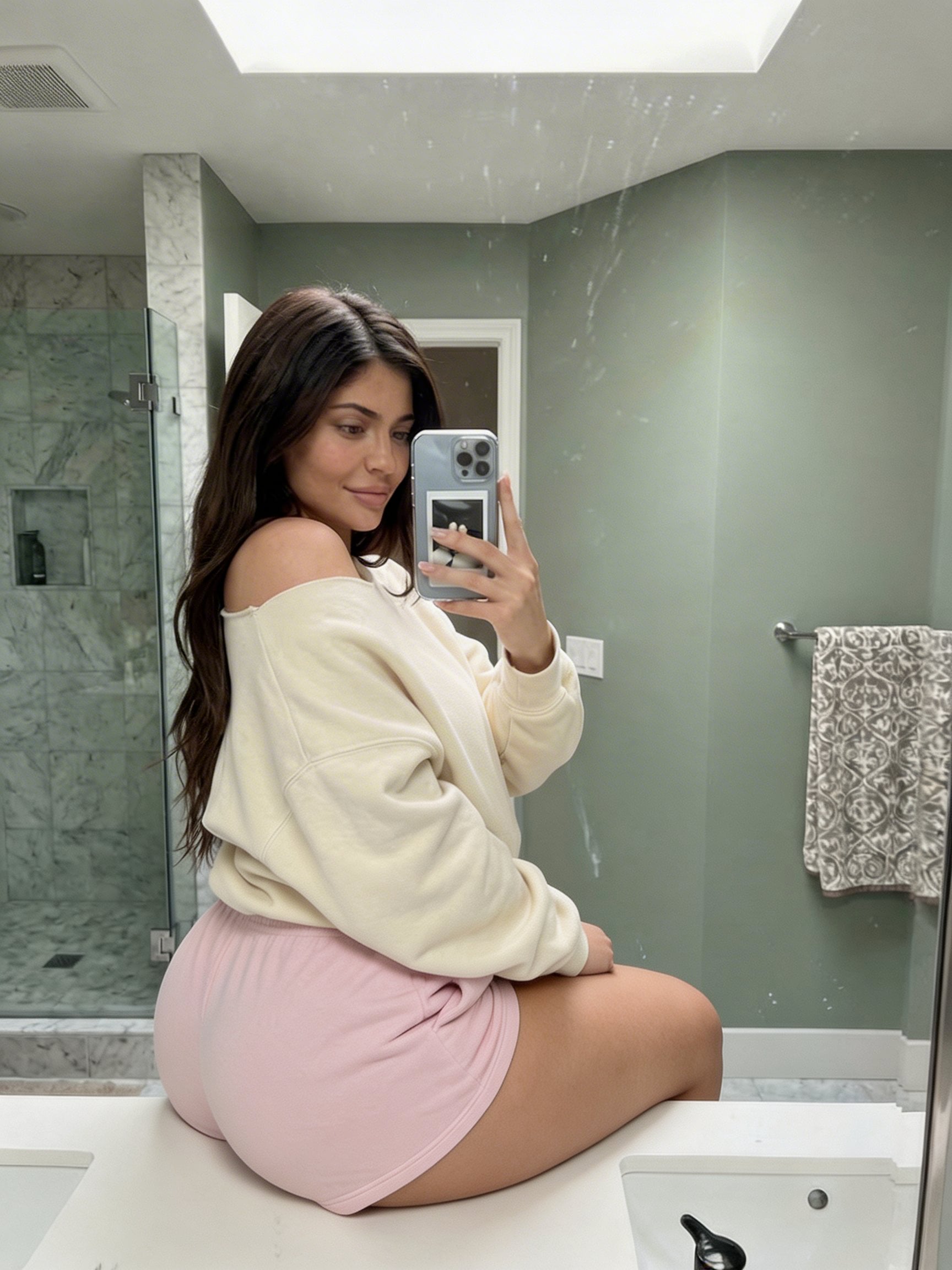

Prompt 1
Use the reference image as the definitive guide for the character's facial identity. Preserve natural smartphone imperfections such as mirror streaks, slight distortion, and realistic lighting to maintain authenticity." }" The biggest factor is staying true to smartphone behavior. Use a wide lens (around 24–26mm equivalent) to get that natural arm-length distortion. If it looks too clean or too symmetrical, it’s already off. Lighting should be simple indoor overhead light. Nothing dramatic. Let it create soft shadows and slight highlights on the skin and tiles. Real bathrooms don’t have perfect lighting, and that’s exactly what you want. Texture is what really sells the image. Keep visible skin pores, slight oil in the T-zone, tiny imperfections like vellus hair and uneven skin detail. The same goes for the environment — mirror smudges, dust, fingerprints, small wall scuffs. These details make it feel real. Clothing should behave naturally. Fabric tension, small wrinkles, and how it sits on the body matter a lot more than the outfit itself. Oversized pieces with asymmetry work especially well because they create natural folds. Pose like a real person, not a model. Slight twist in the torso, relaxed posture, casual positioning on the counter. It should feel like you grabbed your phone and took the photo without overthinking it. Another important detail is identity consistency. If you’re using a reference face, don’t let the model change it. No beautifying, no altering features — realism comes from keeping everything true to the original. Keep colors natural. Slightly warm indoor tones with balanced contrast work best. Avoid heavy grading or cinematic effects. At the end of the day, the trick is simple: if it looks too perfect, it’s wrong. You want something that feels like it belongs on someone’s camera roll, not in a render gallery.
- Engine
- nano-banana
- Dimension
- portrait_4_3
- Gender
- non-binary
- Age
- any


