Prompt 1
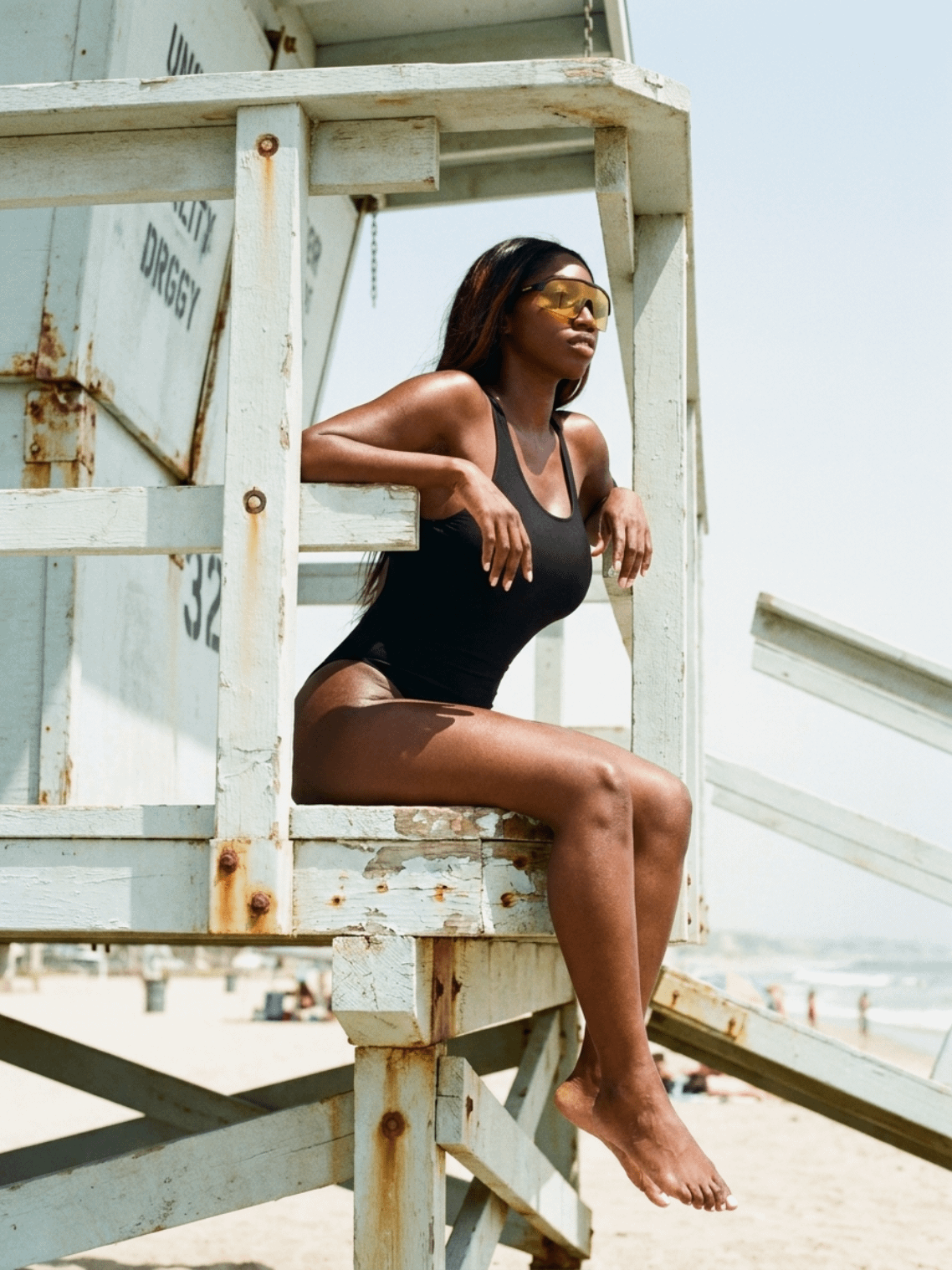
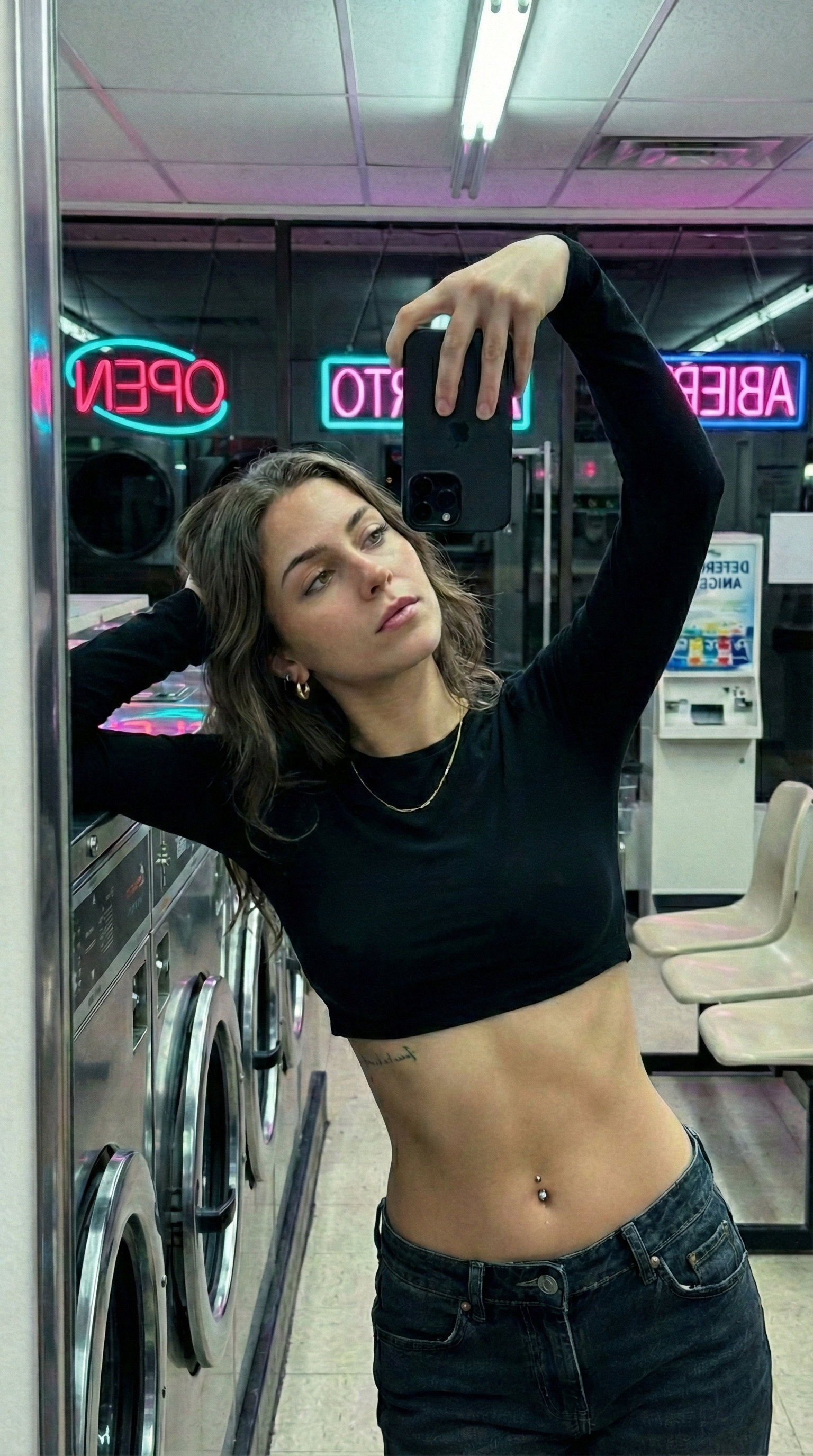
Use the uploaded female reference image as the sole identity anchor. Preserve recognizable adult facial identity, facial structure, skin tone, body proportions, hair characteristics, and overall likeness with high consistency. Create a late-1990s to early-2000s coastal editorial photograph centered around an aging lifeguard tower on a bright summer afternoon. The image should feel like a forgotten magazine spread, a surf publication feature, or a discovered contact-sheet frame rather than a modern social-media photograph. A large weathered lifeguard tower dominates the composition. Sun-faded paint, oxidized metal hardware, exposed bolts, maintenance repairs, chipped edges, salt-weathered wood, faded numbering, municipal signage, and decades of coastal wear should be visible throughout the structure. The tower feels functional, civic, and lived-in rather than picturesque. The subject sits naturally on the front platform edge of the tower. One leg hangs loosely toward the sand while the opposite leg folds comfortably beneath her. Elbows rest near her knees, shoulders relaxed, posture casual and unguarded. She appears to be between responsibilities rather than posing for a camera. Her attention drifts toward something happening beyond frame. Wardrobe consists of a minimalist athletic one-piece lifeguard swimsuit in deep black or dark navy. The swimsuit should feel practical and professional rather than fashion-forward. Add oversized amber-tinted wraparound sport sunglasses with a subtle Y2K silhouette. No jewelry beyond minimal functional pieces. The beach exists as supporting atmosphere rather than subject matter. Include distant shoreline activity, scattered umbrellas, faint figures near the waterline, ocean horizon, beach fencing, maintenance paths, and coastal infrastructure. Everything beyond the tower remains soft and observational. Camera position sits slightly below platform height, allowing the tower to occupy significant visual weight. Frame wide enough to preserve architectural dominance while keeping the subject readable. The tower should visually outweigh the person. Lighting is harsh coastal midday sunlight filtered through salt-air haze. Bright highlights strike painted wood, exposed shoulders, sunglasses, railings, and platform edges. Deep shadow pools beneath the structure. Heat shimmer and atmospheric diffusion soften distant elements. Apply authentic late-1990s editorial film characteristics: subtle Kodak Portra and Fujicolor magazine-print influence, gentle bleach-bypass contrast, slightly lifted blacks, mild highlight bloom, natural grain structure, slight color crossover in shadows, softened microcontrast, faint lens veiling flare, sun-washed color response, atmospheric coastal haze, realistic film scanning texture. Color palette is dominated by faded coastal whites, seafoam blue, pale turquoise, sun-bleached wood, muted ocean blue, warm sand, amber lens reflections, and naturally tanned skin. Avoid highly saturated modern beach colors. Environmental storytelling should suggest: long shift completed, summer heat, quiet downtime, public infrastructure, coastal routine, the stillness between rescues. Primary focus: the relationship between the lifeguard and the tower. Secondary focus: off-duty body language and Y2K sport sunglasses. Tertiary focus: weathered architecture, shoreline atmosphere, and summer heat. The final image should feel like an authentic early-2000s coastal editorial discovered in an old magazine archive—quiet, sun-faded, observational, slightly nostalgic, and grounded in place rather than fashion spectacle. Avoid influencer photography, luxury resort aesthetics, overly glamorous posing, pristine architecture, empty beaches, excessive crowd activity, modern HDR processing, extreme retouching, fashion-week styling, cinematic blockbuster lighting, artificial color grading, or any composition where the lifeguard tower becomes a background prop rather than the dominant visual system.
- Engine
- nano-banana
- Dimension
- portrait_4_3
- Gender
- female
- Age
- any