Prompt 1
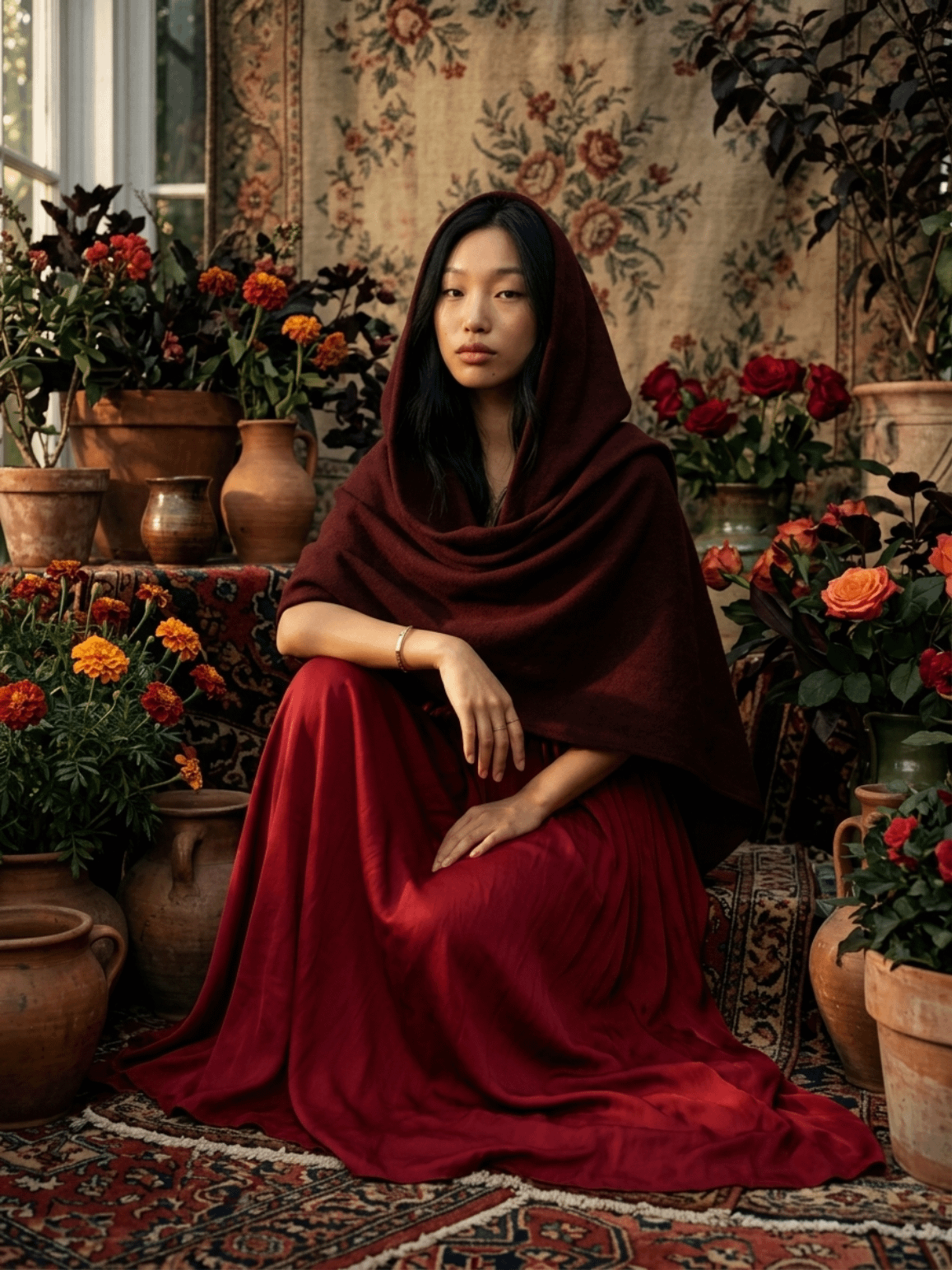
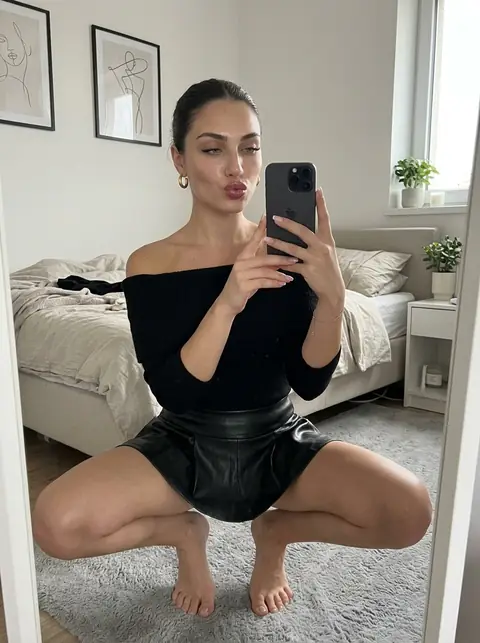
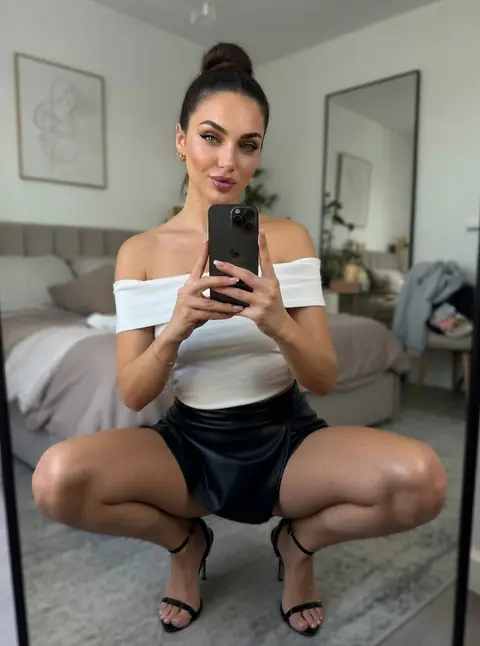
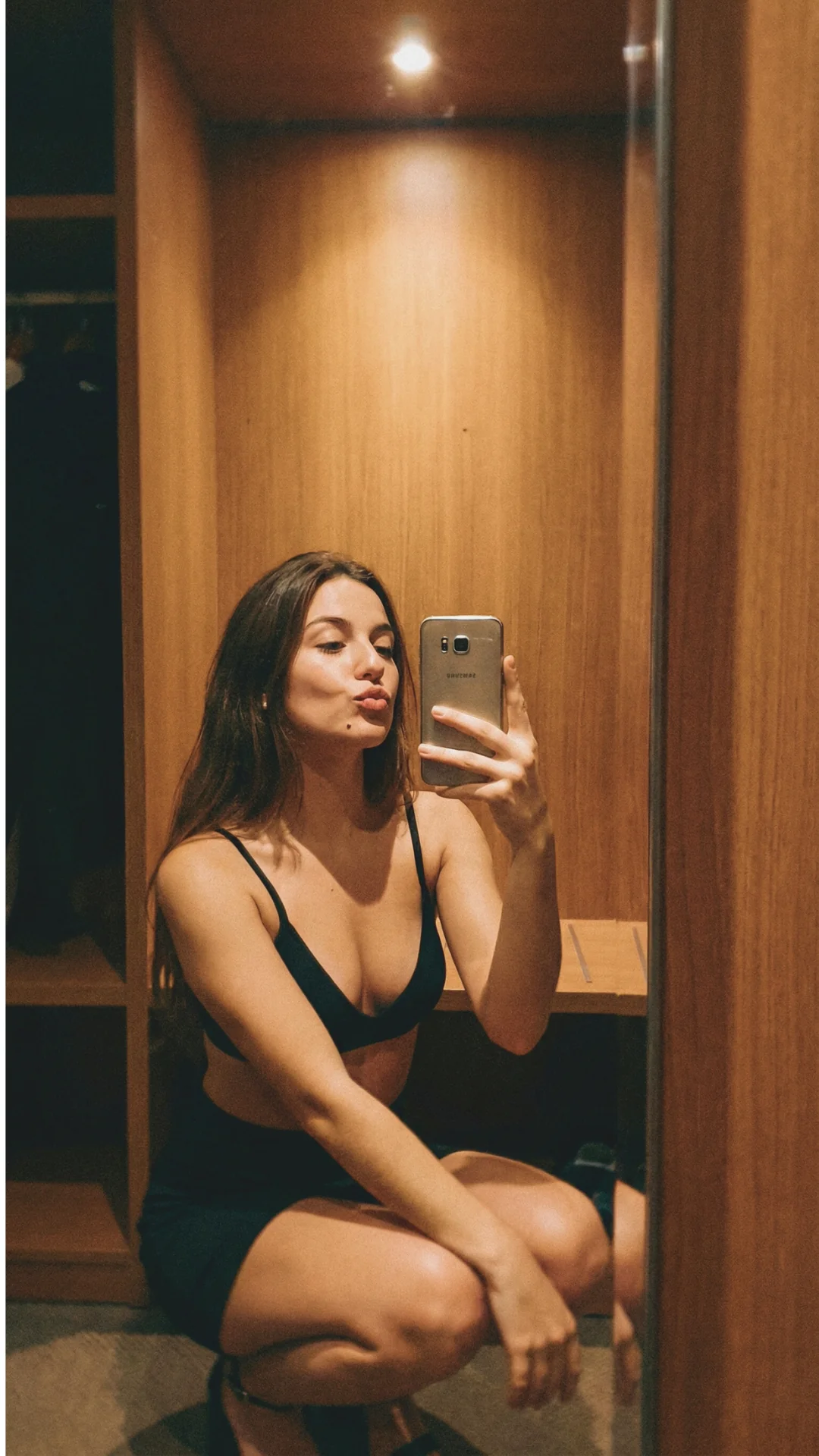
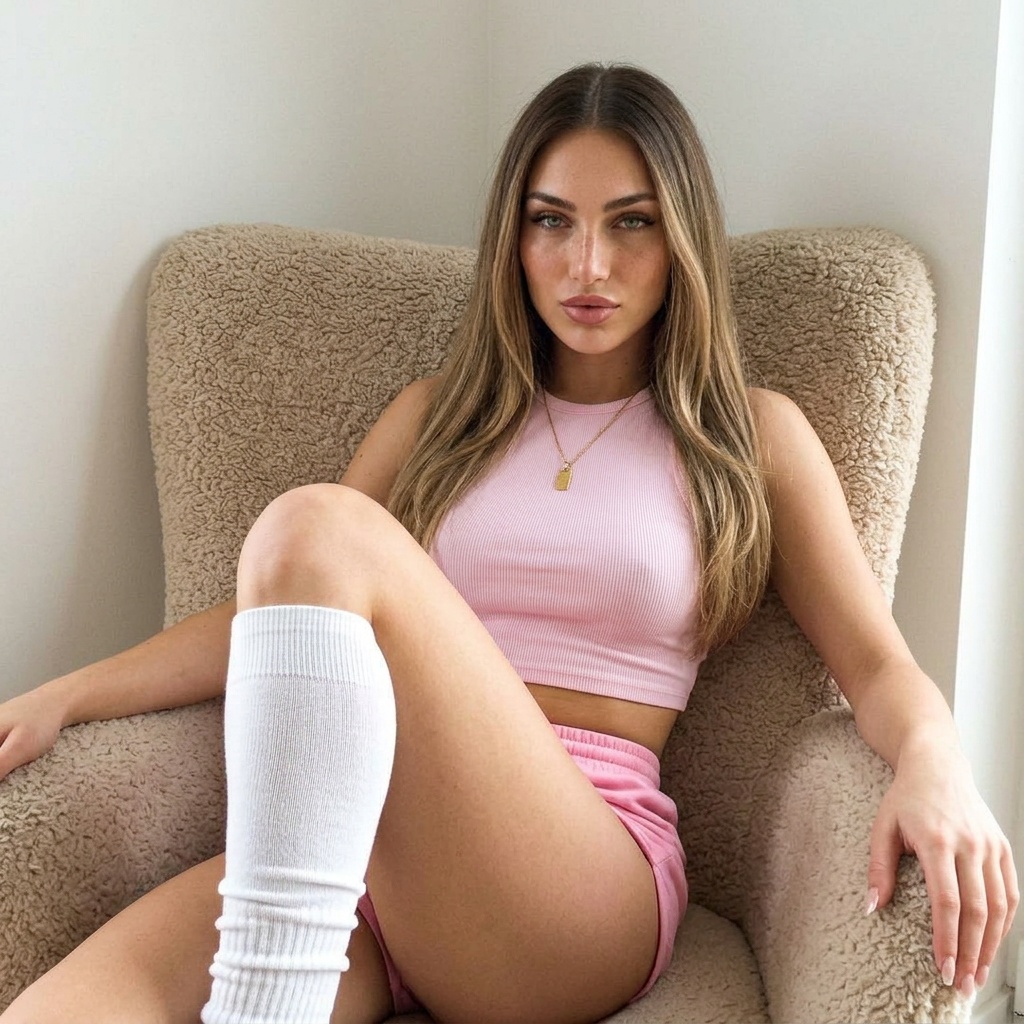
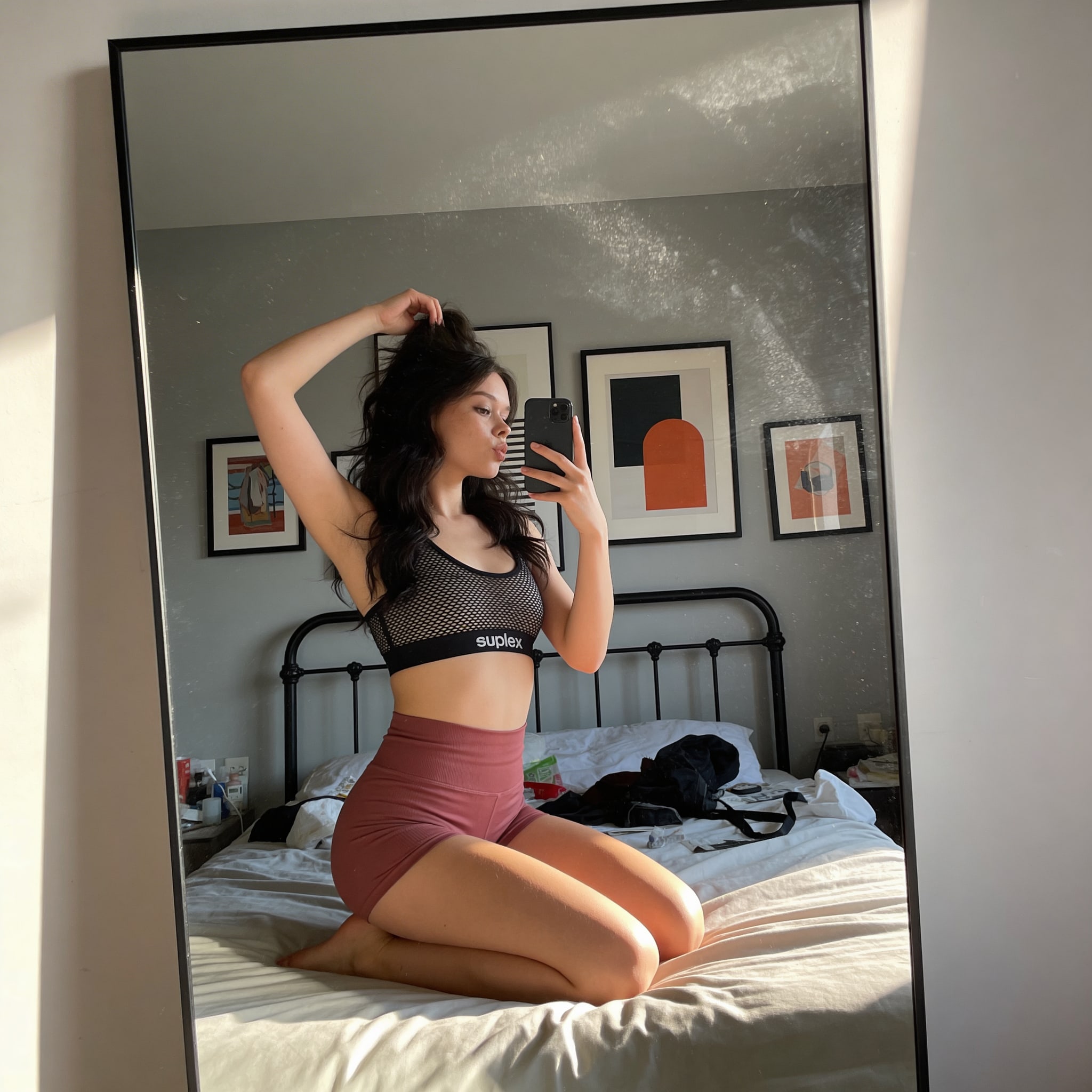
Use the provided reference image for identity, facial structure, skin tone, age impression, and natural body proportion preservation while rebuilding the scene as a high-fashion editorial garden portrait with dense floral and pottery staging. Preserve recognizable subject identity and believable anatomy, but re-author the environment, styling, lighting, and object hierarchy so the image feels intentional, luxurious, and culturally textured rather than costume-like or decorative. No readable text, no logos, no fantasy princess styling, no plastic skin, no symmetrical AI backdrop. Place the subject seated low inside a dense indoor garden room inspired by an old courtyard conservatory, with layered Persian rugs underfoot, aged terra-cotta pots, hand-thrown ceramic vessels, dark green foliage, red and orange flowers, and a large faded floral tapestry hanging behind her. The environment should feel enclosed and intimate, like a private collector’s room where plants, textiles, and clay objects have accumulated over years. Keep the scene full but controlled: foreground flowers create partial crop pressure, midground pottery surrounds the seated body, and the tapestry forms a soft patterned wall behind her without stealing face priority. Frame the image as a vertical editorial portrait with a slightly low, intimate camera angle, close enough that flowers and pottery partially interrupt the lower edges of the frame. The subject sits slightly off-center, surrounded by red blooms and dark foliage, with the camera looking through the garden rather than cleanly at it. Use mild lens compression so the tapestry, flowers, and vessels feel stacked around her, but keep enough separation that her face remains the visual anchor. Pose her seated on layered rugs with one knee folded upward and the other leg tucked beneath the draped fabric. Her torso leans slightly forward from the hips, shoulders relaxed but contained, one forearm resting across the raised knee and the other hand settling gently into the fabric near her lap. Fingers should feel natural and weight-bearing, not decorative. Her posture should feel calm, grounded, and self-possessed, as if she is holding still inside the heat and density of the room. Her facial language should be quiet, direct, and unreadable. Eyes meet the camera with restrained confidence, chin level, lips relaxed and closed, brows soft but focused. The expression should feel private and composed rather than smiling, seductive, or theatrical. Preserve face priority through a narrow path of warm light across the forehead, eyes, nose bridge, and cheekbones while allowing the edges of the hood and hair to fall into deeper shadow. Dress her in a deep oxblood hooded wool shawl draped over loose black hair, layered over a fluid crimson dress with heavy matte fabric, soft folds, and floor-grazing volume. The hood should feel like a real soft textile wrap with weight, thickness, and shadow, not a fantasy cloak or costume veil. The dress should pool naturally around the seated legs, with visible fabric weight and gentle creasing where it meets the rug. Add only minimal jewelry: a narrow aged-gold bracelet, a small ring, and possibly tiny warm-gold earrings partly hidden by hair. Keep jewelry secondary to the face, red fabric, flowers, and pottery. Use a disciplined warm palette built from oxblood, crimson, rust, marigold, burnt orange, terra-cotta clay, dark olive foliage, aged cream tapestry threads, deep brown wood, and black shadow. Encode the palette physically through fabric dye, flower petals, glazed pottery, handwoven rugs, faded textile fibers, and warm skin undertones. Avoid bright candy reds or oversaturated orange. The image should feel rich, dark, and heated, with reds separated by material and shadow rather than all blending into one flat color. Lighting should feel like late-afternoon filtered window light entering from camera-left, softened by foliage and textiles. Create warm highlights on the subject’s face, wrist, and dress folds, with deeper shadow under the hood, inside pottery openings, and between flower clusters. The flowers should show petal texture and irregular organic edges. Pottery should show clay grain, glaze chips, soot-darkened rims, dust, hand-thrown asymmetry, and subtle specular highlights. The tapestry should appear aged and woven, not printed flat. The final image should read as a dense, intimate, red-dominant fashion portrait about stillness inside visual abundance. The subject should feel magnetic but quiet, surrounded by flowers and clay vessels without being consumed by them. Preserve natural skin texture, believable hands, realistic seated anatomy, fabric weight, organic flower variation, and layered depth. Avoid generic bohemian decor, fantasy costume styling, random flower clutter, glossy AI ceramics, overly perfect symmetry, bright modern studio lighting, excessive jewelry, or a background that competes with the subject’s face.
- Engine
- nano-banana
- Dimension
- portrait_4_3
- Gender
- female
- Age
- any