Prompt 1
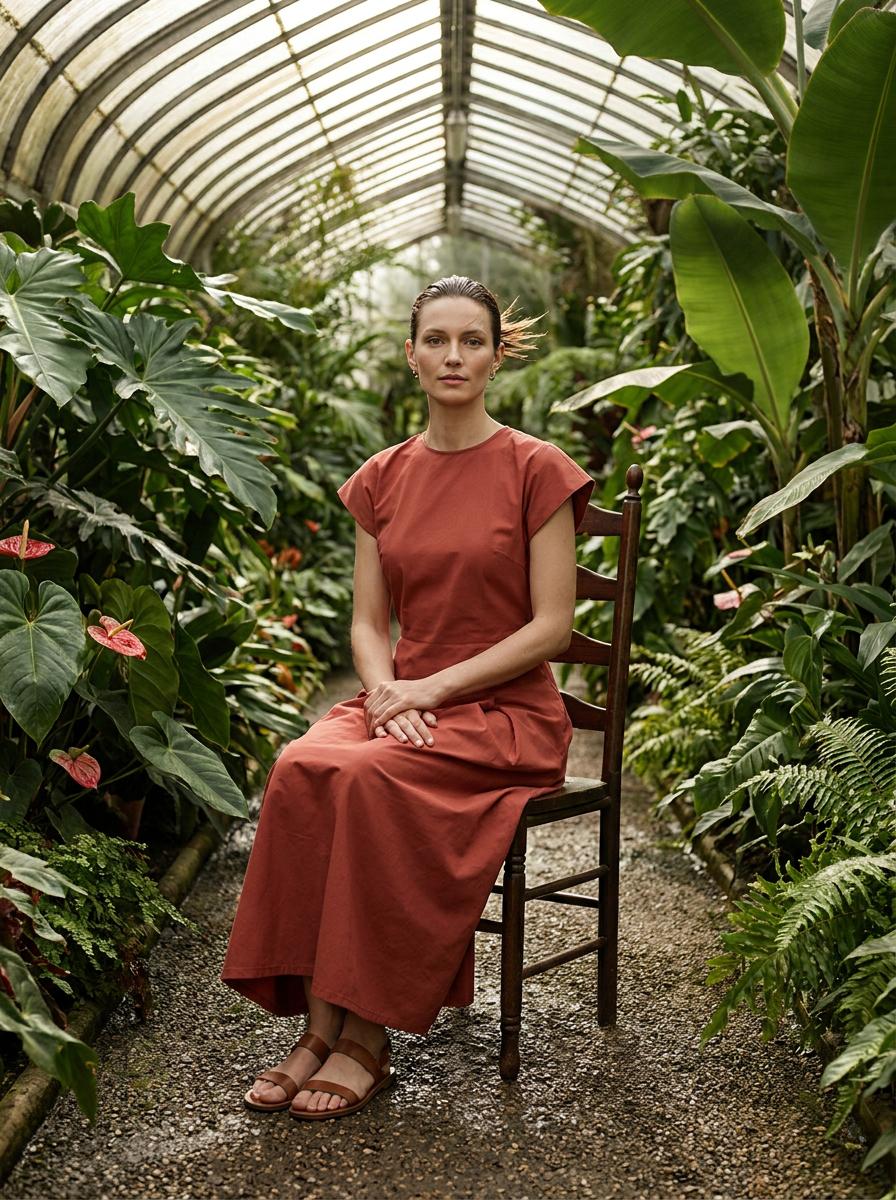
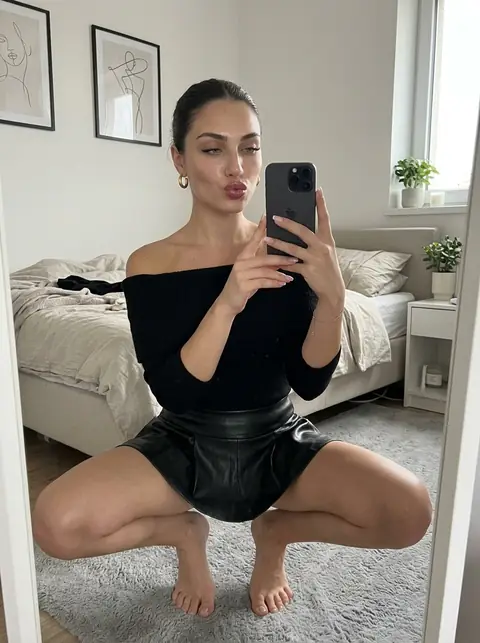
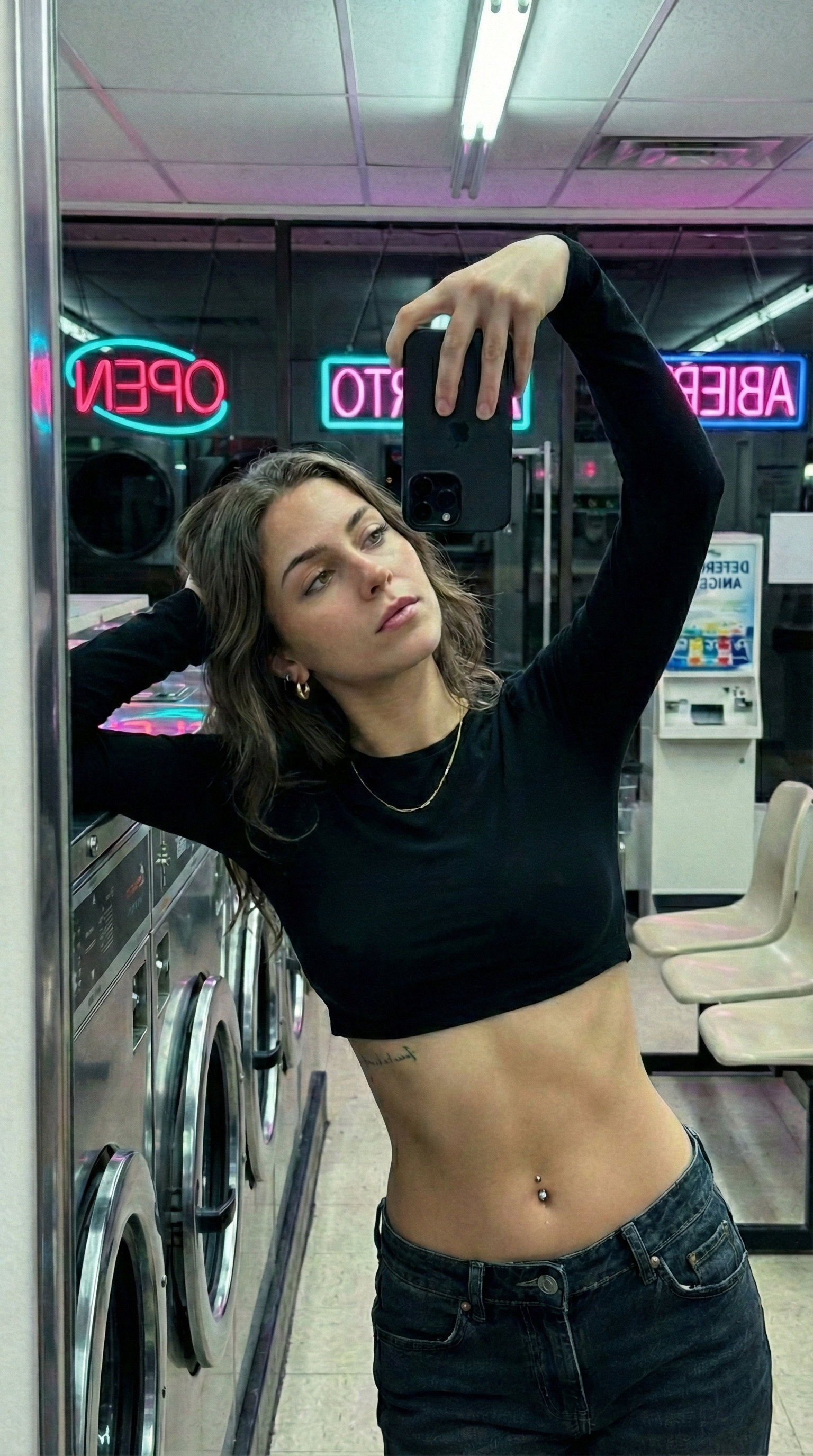
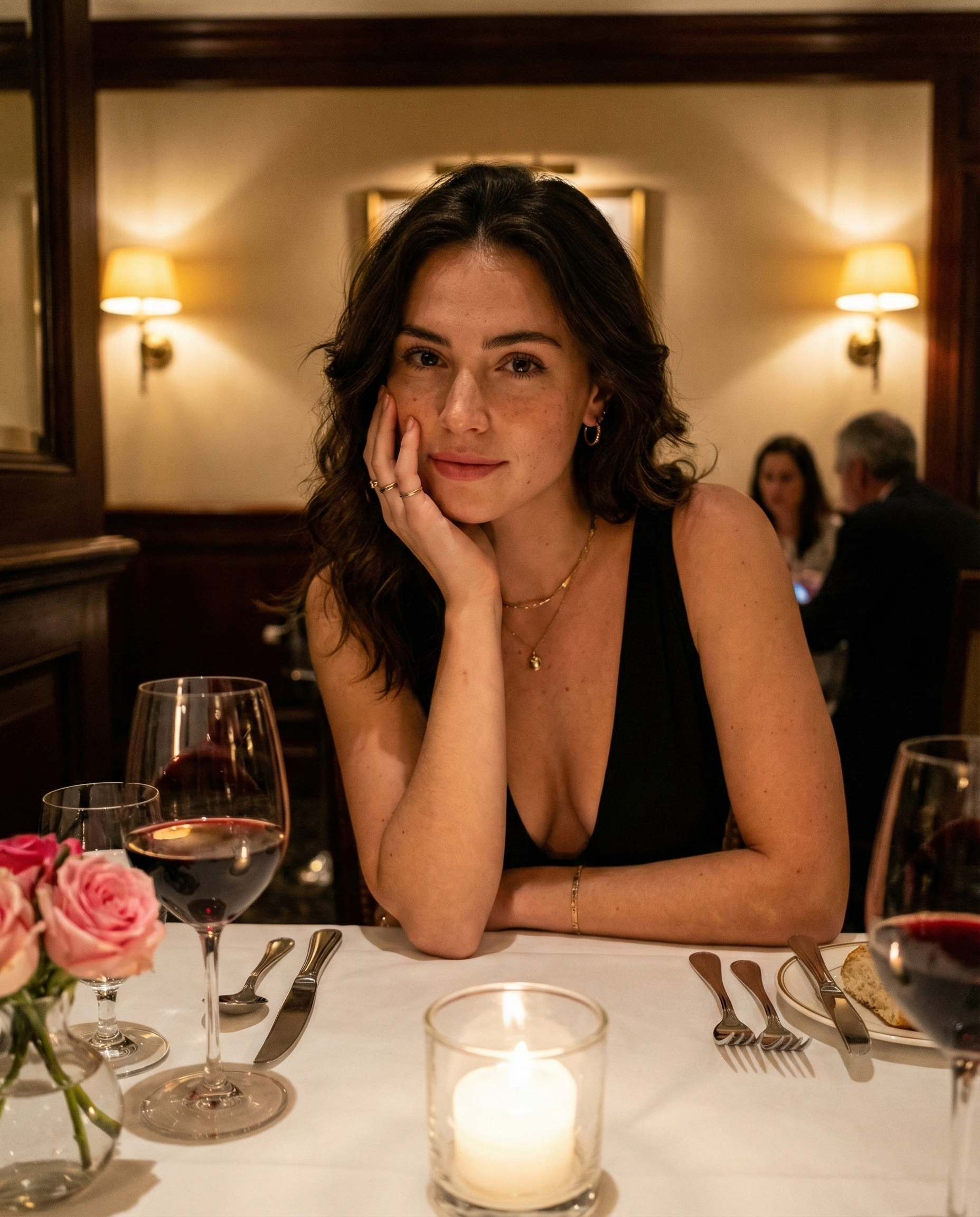
Use the provided reference image as the visual identity reference for a photorealistic 2:3 vertical botanical fashion editorial portrait. Preserve the person’s recognizable facial features, skin tone, slicked-back or tied-back hair premise, composed facial character, body proportions, and overall likeness. No readable text, no logos, no watermarks, no poster layout. Place her seated alone in a narrow tropical greenhouse corridor with an arched ribbed shade canopy overhead, old stone side walls partly hidden by plants, damp gravel underfoot, and dense layered foliage closing in from both sides. The space should feel humid, enclosed, and architectural, with broad philodendron leaves, anthurium leaves, banana leaves, ferns, and potted tropical plants creating a tunnel around her. Keep the environment real and botanical, not fantasy jungle, resort garden, or plant-shop backdrop. Shoot from a slightly low camera position on the gravel path, centered but close enough that large leaves press into the lower corners and side edges. Frame her full seated body from above the canopy arch to the sandals and gravel, with the greenhouse ribs curving overhead and the path receding behind the chair. Keep the red dress, face, hands, wooden chair, arched canopy, and surrounding foliage clearly readable. The composition should feel formal and enclosed, like the garden is holding her in place. Pose her seated upright on a simple dark wooden ladder-back chair placed in the center of the gravel path. Her back stays straight but not stiff, shoulders level, chin slightly lowered, and eyes looking calmly toward the camera with a composed, unreadable expression. Her hands rest in her lap with controlled tension: one hand folded over the other, fingers relaxed but precise, one thumb lightly pressing into the opposite hand. Her knees angle softly to one side beneath the skirt, ankles close together, feet grounded on the gravel. The stillness should feel ceremonial and withheld rather than casual. Style her in a matte clay-red dress around #C94A27 with short structured cap sleeves, a clean high round neckline, a lightly gathered waist, and a long skirt falling over the knees toward the ankles. The fabric should read as cotton-poplin or soft silk-crepe with real weight, subtle wrinkling at the lap, natural folds over the knees, and a hem that drapes cleanly near the sandals. The dress should be simple, modern, and severe, not a formal gown, resort caftan, robe, or costume. Use minimal styling so the red dress and greenhouse remain dominant: flat brown leather sandals with simple straps, tiny understated earrings if visible, and no necklace, bag, hat, bracelets, or extra props. Hair follows the reference image’s pulled-back premise, kept sleek and slightly damp-looking at the hairline, with a few fine flyaways catching the humid light. Makeup is restrained botanical editorial: realistic skin texture, softly defined brows, lightly defined eyes, muted natural lips, faint cheek warmth, and a subtle sheen across the nose, cheekbones, and collarbone area. Lighting hierarchy: soft filtered daylight enters through the arched overhead canopy and broken leaves, creating a pale glow above her head and gentle green-tinted bounce through the plants. Warm reflected light from the stone walls and gravel lifts her face, hands, forearms, and red dress. The foliage holds deep green shadows, while the dress keeps saturated clay-red color without glowing unnaturally. Preserve small shadows under the chin, between folded fingers, beneath the chair seat, inside the dress folds, under the sandals, along gravel texture, and between overlapping leaves. Palette hierarchy: hero color clay red, support colors deep tropical green, warm natural skin, dark wood chair, and soft brown sandals, restraint colors damp gravel gray, old cream stone, canopy shadow, black-green leaf interiors, and pale filtered daylight. Keep the color system restrained and earthy, with the red dress as the only strong color strike inside the green architecture. Object hierarchy: primary focus is her face, composed gaze, folded hands, and red dress. Secondary focus is the dark wooden chair, sandal placement, dress folds, and foreground leaf pressure. Tertiary supports are the arched canopy ribs, gravel path, stone wall texture, philodendron leaves, anthurium leaves, fern mass, banana leaves, humid air, and soft background depth. Edge activity: dominant edge pressure comes from large tropical leaves entering the lower-left and lower-right foreground and the arched canopy ribs pressing down from the top of the frame. Secondary edge pressure comes from plant stems and leaf clusters crowding the side edges while the chair remains centered on the path. Keep the composition enclosed, symmetrical enough to feel formal, but not sterile or catalog-clean. The final image should read as a still botanical fashion portrait: a composed woman in a clay-red dress seated on a simple wooden chair inside a humid greenhouse tunnel, hands folded with quiet tension, tropical leaves pressing in from every side, arched canopy glowing overhead, damp gravel below, and the garden feeling larger and more alive than the figure. Maintain realistic skin texture, believable seated posture, accurate hand anatomy, grounded chair geometry, natural dress folds, physically consistent plant scale, real leaf texture, damp gravel detail, filtered greenhouse light, restrained color, and lens-realistic depth. Avoid resort styling, fantasy jungle, plant-shop backdrop, fake HDR, over-smoothed skin, glowing artificial greenery, malformed chair legs, warped hands, excessive jewelry, added props, readable text, logos, tourist-garden energy, and generic lookbook posing.
- Engine
- nano-banana
- Dimension
- portrait_4_3
- Gender
- female
- Age
- any